Tax expert Mark Langley shares practical advice on tax returns, deductions, ATO compliance, audits, and the policy changes Australians should be watching closely. Here's all you need to know about taxes in Australia
Here's all you need to know about taxes in Australia
What is tax? For many Australians, tax is something they only think about once a year. Most people are still not sure about what they can claim, what records they need to keep, and how strict the ATO can actually be. Unfortunately, it is easy to fall behind or make mistakes when the rules feel complicated.
Delaying a tax return can lead to several complications. For example, a missed deadline can sometimes lead to interest charges, penalties, or added pressure for those already dealing with tax debts or payment arrangements. In many cases, people are not trying to avoid tax at all. They simply do not fully understand the process or the risks involved.
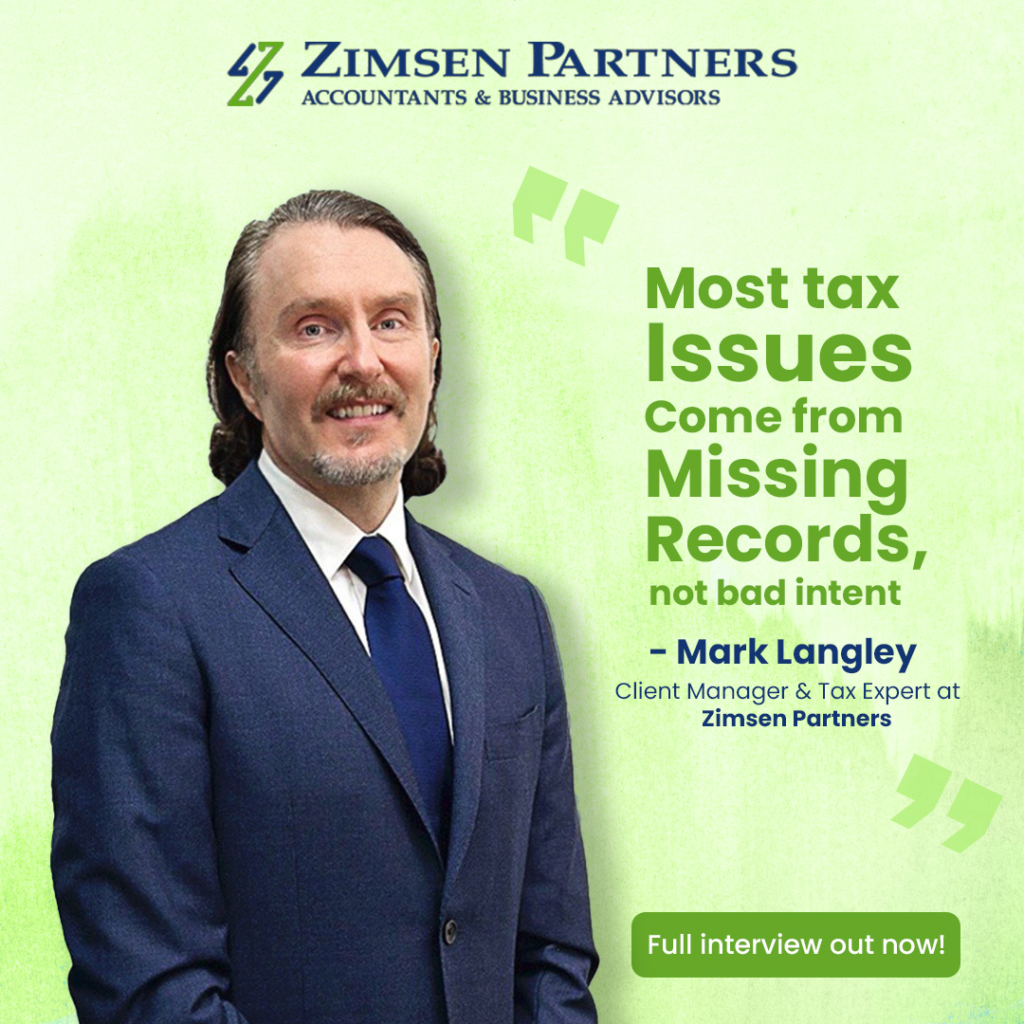
To help make sense of it all, we spoke to our expert Mark Langley. Mark brings 37 years of experience in the industry and has worked closely with Australians from all walks of life. Over the years, he has built a strong reputation for himself and thus, is one of the most respected and trusted client managers at Zimsen Partners.
During this interview, Mark gave a practical and honest look at the Australian tax system. From tax returns and deductions to audits, compliance, and upcoming changes, he gave a complete breakdown to what Australians should really be paying attention to and why staying on top of tax matters more than ever. Here’s all you need to know about paying taxes in Australia.
Below is the complete interview:
1) From your experience, who should be most concerned about missing the May 15 lodgement deadline and why?
Everyone should be a little concerned but those who have a payment arrangement with the ATO should be most concerned because if they fail to keep their current obligations up to date then their payment arrangement will default meaning the entire outstanding balance then becomes due and payable immediately. Also, if you think you have some tax to pay then you should try and lodge on time to avoid being charged interest and possible penalties.
2) Do you believe the ATO is becoming stricter with audits and compliance in recent years? How?
I believe so but I always tell my clients if you lodge on time and pay on time you are far less likely to get an audit and they must be adhering to this advice because I haven’t seen too much audit activity in my own client base.
3) We’re seeing several upcoming changes like the proposed $1,000 standard deduction and future tax cuts from July 2026. How do you see these policies impacting everyday taxpayers?
It is important to understand that this is a deduction not a $1,000 cash refund and the average benefit is more like $200 assuming you don’t already claim more than $1,000 but it will save those with smaller claims from having to worry about records and receipts. The tax cut coming in is not substantial saving about $250 per year but I guess every bit helps!
4) There’s also been talk of broader reforms around capital gains tax, superannuation, and even wealth taxation. What trends should Australians be paying attention to right now?
There has been a lot of discussion about reducing the 50% CGT discount which would be a blow to property investors and I expect all to be revealed in the upcoming 2026 Federal Budget so stay tuned for that one. The majority of Australians don’t have to be concerned about changes to their super as the upcoming changes that impose a higher tax rate on your super earnings are only for those with more than $3 million in super per person.
5) What are some commonly missed deductions that could legally save taxpayers money? Do you think more Australians are relying on accountants now compared to DIY platforms, and what’s driving that shift?
I think it is beneficial to engage a professional to prepare your Return as the Tax Office is cracking down on substantiation requirements in particular and people simply aren’t aware of their obligations or the risks imposed if they make a claim without the necessary nexus or without the proper apportionment between work and personal or without the documents to back it up Most tax issues come from missing records, not bad intent. Employees who work from home can claim the set rate per hour but most aren’t aware that they need to keep a daily record of the hours worked it order to fulfil the substantiation requirement. Just saying you work from home 2 days a week and multiplying that out doesn’t cut it anymore.
6) If you had to give one piece of tax advice that every Australian should follow before May 15, what would it be?
Lodge on time and pay on time!
7) Looking ahead, do you think Australia is moving toward a simpler or more complex tax system over the next 5 years?
I would like to think simpler but without sweeping tax reform it’s not likely because changes here and there even those that aim to make things simpler usually increase complexity as old rules are grandfathered creating multiple possible outcomes for the same transaction.